Spaces as good practice

Spaces as good practice

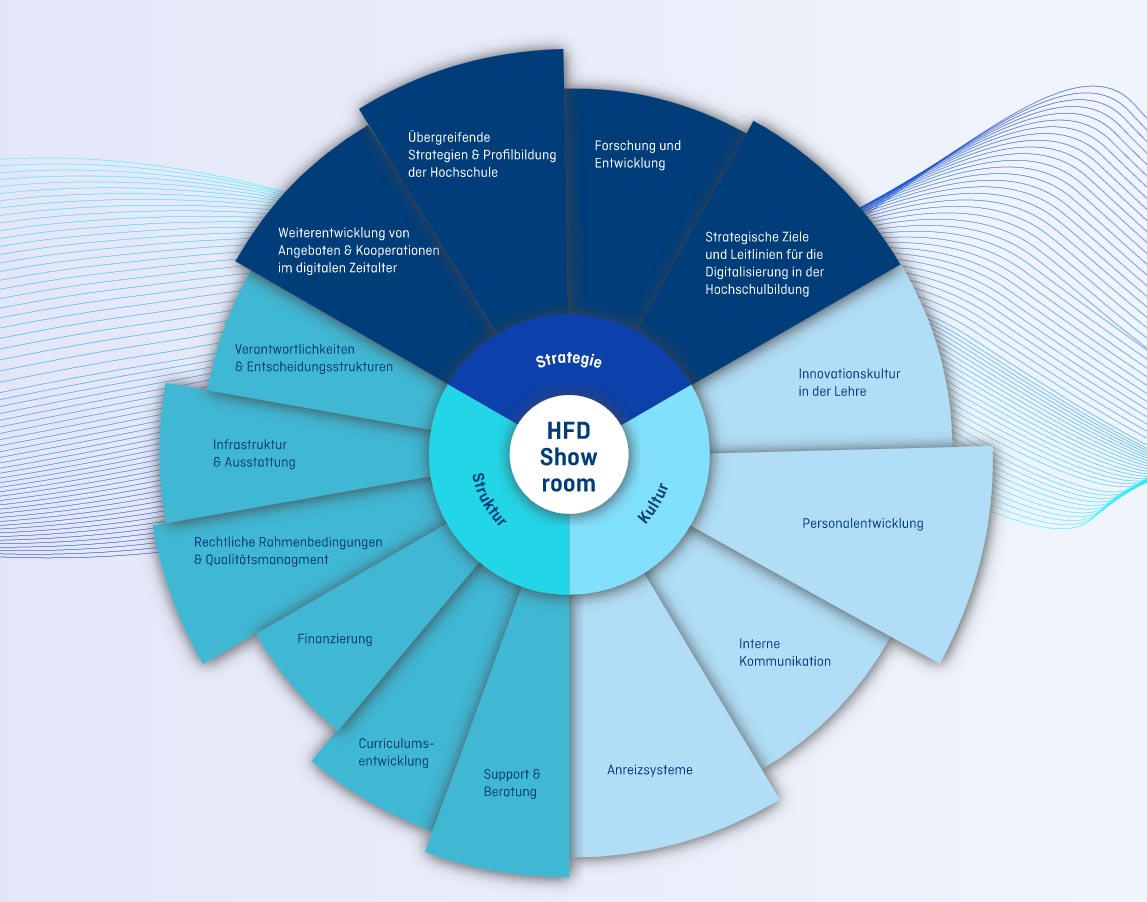
The Institute for Technical Education and University Didactics of the TU Hamburg has selected 20 best practice examples for the strategic development and support of teaching in the digital age on behalf of the University Forum on Digitization and has presented Spaces as one of them excellently in the HFD showroom.

The aim of the HFD showroom is to provide universities with support and orientation services regarding their strategic development of teaching in the digital age. For this purpose, representatives of the TU Hamburg identified and developed examples of good practice on behalf of the HFD on the level of strategic university development in the field of teaching.
https://showroom.hfd.digital/beispiel/16

THspaces

THspaces

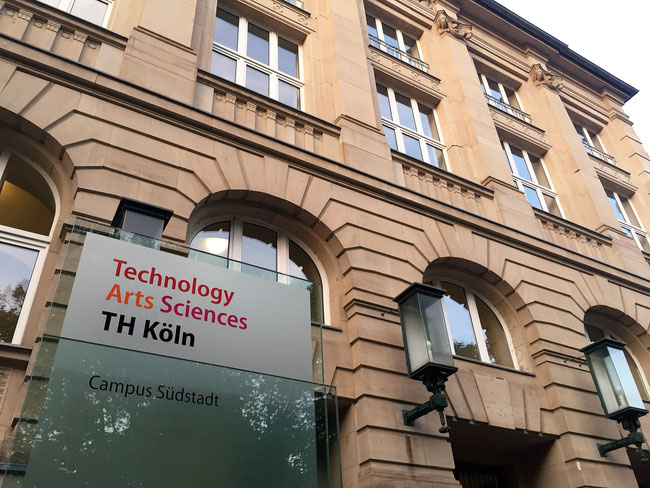
Spaces is from now on part of the Teaching and Learning Community at the TH Köln. The implementation of Spaces was leaded by an evaluation. In order to identify requirements for digital competence-oriented learning and to formulate steps for a participatory university-wide implementation of Spaces a prototype was created in the winter semester 2017/18, used and evaluated in different faculties of the TH Köln.Based on the evaluation results, the Social Learning Environment THspaces was agilely implemented and adapted in a project team consisting of the Center for Teaching Development, Campus IT and the Digital Open Learning Lab. The platform was rolled out university-wide in July 2020 and will be used in courses in all faculties from the winter semester onwards. It will be also linked to the LMS Ilias in the future.

Dr. Elisabeth Kaliva

Dr. Elisabeth Kaliva

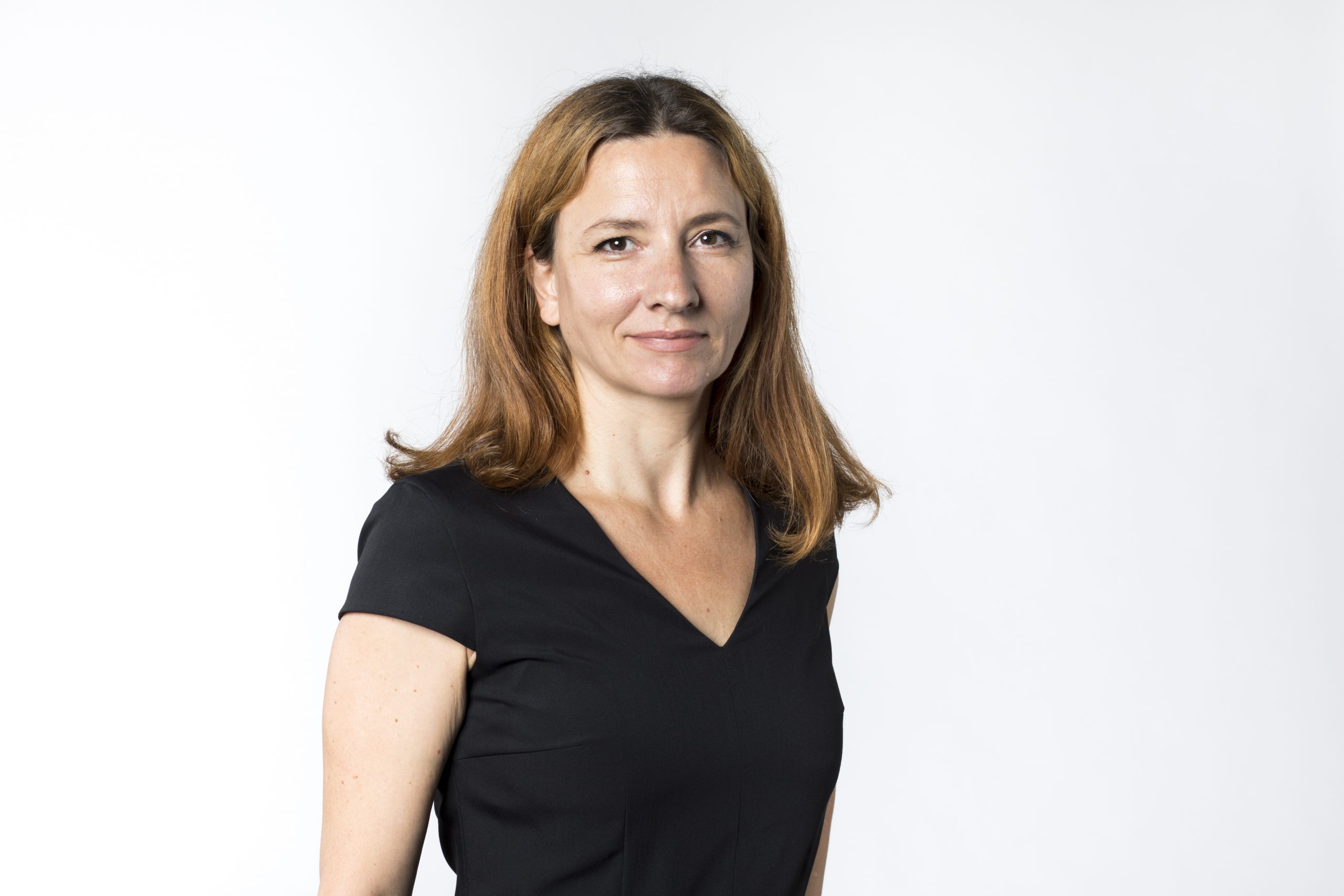
Elisabeth Kaliva is the scientific lead of the Digital Open Learning Lab (DOLL) at the Köln International School of Design (KISD) of TH Köln. She is responsible for the research, conception and implementation of blended and seamless learning scenarios within the open source Social Learning Environment»Spaces«, which she co-developed. She is also the expert project leader in the university-wide implementation of Spaces at TH Köln. Furthermore she has a lectureship at the Learning Lab of the University Duisburg-Essen.

After her diploma in computer science and her master’s degree in Educational Media at the University of Duisburg-Essen, Elisabeth Kaliva received her doctorate from Prof. Dr. Michael Kerres. Her dissertation examines the didactic implications of digital project-based learning scenarios. Elisabeth Kaliva has many years of experience in design education and social learning. Her research focuses on how digital innovations support and change social learning in higher education.

Contact

Köln International School of Design
Ubierring 40
50678 Köln
Room 124

elisabeth.kaliva@th-koeln.de
+49(0)221 | 8275-3169

Collaborative knowledge and open source

Collaborative knowledge and open source

All actions initiated and performed in Spaces expand the digital knowledge base. Open data and exchange formats enable the flexible handling of data that can be accessed and managed in different, even external sources. Digital services such as an archive, a video platform and an online bibliography are offered in Spaces. The archive contains project, bachelor and master theses that are tagged and accessible for all members of the community.
Spaces is based on the open source weblog and publishing system WordPress. Building on this, a social learning environment was created with numerous self-developed plugins and themes. WordPress is very easy to deploy and extend for both users and developers. WordPress pays special attention to open web standards and has a very lively developer community. In order to make a contribution, the themes and plugins created for Spaces will be made available to the Open Source Community as soon as possible.

Advanced digital profiles through the Study Journal

Advanced digital profiles through the Study Journal

All members of the community have an individual profile as their virtual presence in the community. This digital profile represents a part of the learning biography of each user. Personal information, such as name, email, telephone, semester, links to the social network and other links are displayed and can easily be edited by the user. The profile page also shows the student’s “Study Journal”. This is an e-portfolio in which the students document their attended courses, reflect their personal study goals, and receive feedback from lecturers or peers. The Study Journal documents the individual learning of students and supports the development of a high-quality competence-oriented study profile. This fosters the collaboration within the Spaces community by highlighting both the personal and professional perspectives of each student.

Mutual support and open communication

Mutual support and open communication

Each digital learning room in Spaces extend the feedback, reflection and support options of students. They do not have to present their activities exclusively in a physical space, but can initiate and present them independent of place and time online and receive feedback subsequently. In doing so, Spaces creates a flexible, but secure surrounding on which lectures, or peers can follow, support, and comment on current common learning activities.
Lecturers, students, and employees can publish messages, tips, hints, questions or appointments in a central »stream« on the start page of Spaces. The Spaces community heavily uses this common social media feature. The Spaces homepage is the main information and contact point and, at the same time, a window into the current teaching and learning activities in the Spaces community.

Networked collaboration in the community

Networked collaboration in the community

Spaces supports the development of a vibrant digital network of lectures and students. Through their activities, participants shape a community in which ideas, research results, project, seminar and research work can be presented, discussed, and documented. The platform allows students to document their learning process and to involve among and inspire each other. This openness is not just limited to the internal community of KISD. External cooperation partners such as international universities, organizations, and companies can also be added into Spaces and thus become part of the learning and research community. This creates an open collaboration environment in which hierarchical and static group boundaries dissolve and new social and collaboration networks emerge.

IFSspaces

IFSspaces

Spaces will support teaching and learning at the IFS, as it did at the Cologne Game Lab. We hope that Spaces becomes an integral part of the campus at IFS. We also want to take the opportunity during the implementation process to improve and extend Spaces so that we can offer it as an open source plugin in the future. We are also happy that through cooperation, the Digital Open Learning Lab team will be expanded by new researchers and students.

https://www.filmschule.de/

Space at the GMW 2018

Space at the GMW 2018

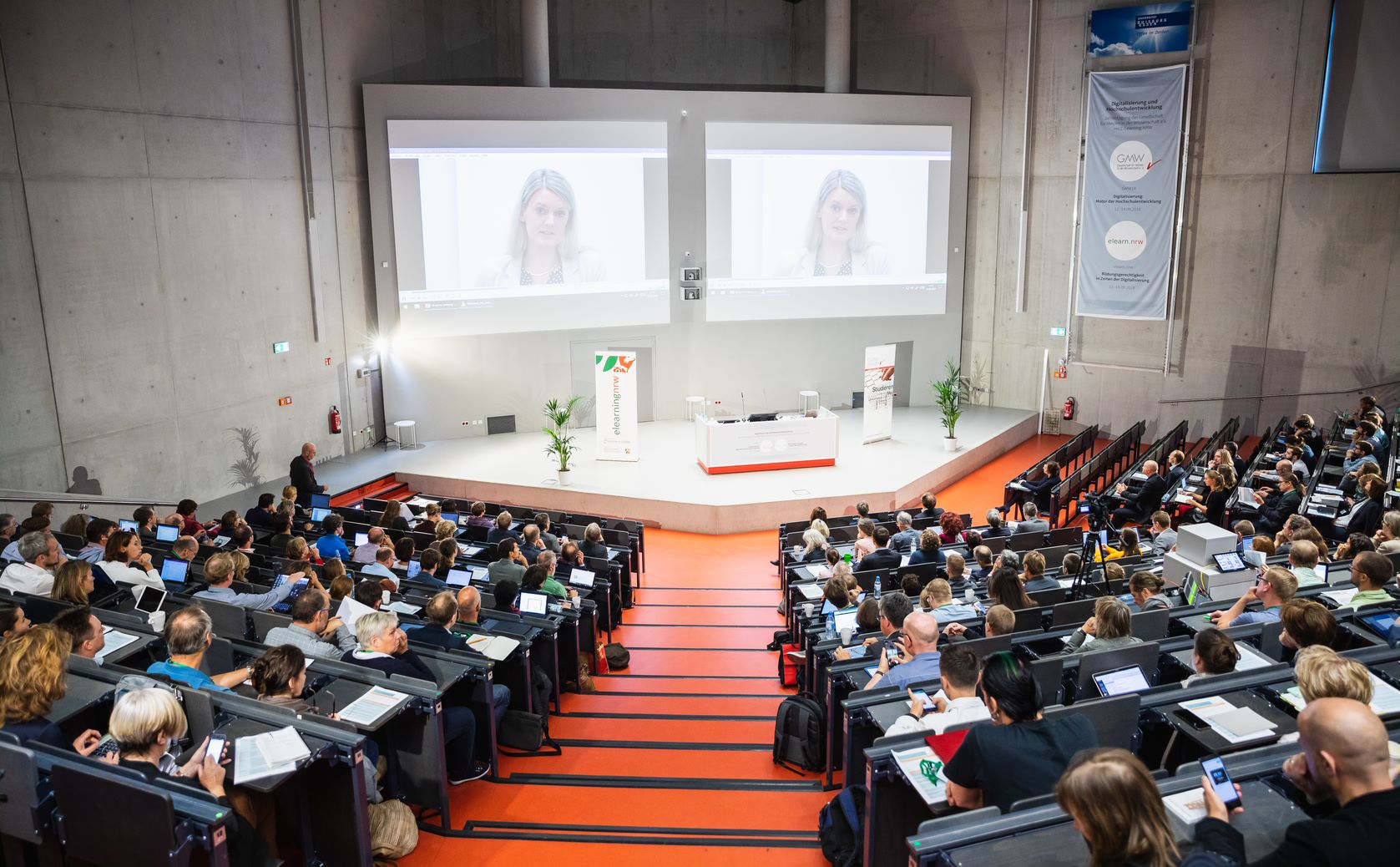
The conference discussed topics related to digitization as a driver of higher education development. Dr. Elisabeth Kaliva, Susanne Glaeser and Dagmar Linnarzt have discussed in their presentation the requirements for digital competence oriented learning settings and how the can be supported by new and innovative Social Learning Environments like Spaces which enable intensive social interaction and networking between teachers and learners.

The paper for the presentation can be found in the current
GMW conference proceedings (german only).

Spaces at the TH Köln

Spaces at the TH Köln

The aim of the prototype was to implement learning-centered scenarios and to support the shift from teaching to learning also digitally. The prototype combined traditional forms of learning with a learning management system (Moodle or Ilias) with social learning using the Social Learning Environment (SLE) Spaces. According to the evaluation results, the usability and the functions of the SLE led to increased student activity and more visibility of the individual and group-related learning processes. The underlying teaching / learning concept and the developed Social Presence proved to be essential for the active participation of the students. The SLE supported the development of a knowledge community, the collaboration in the course and the self-directed learning according to the students.